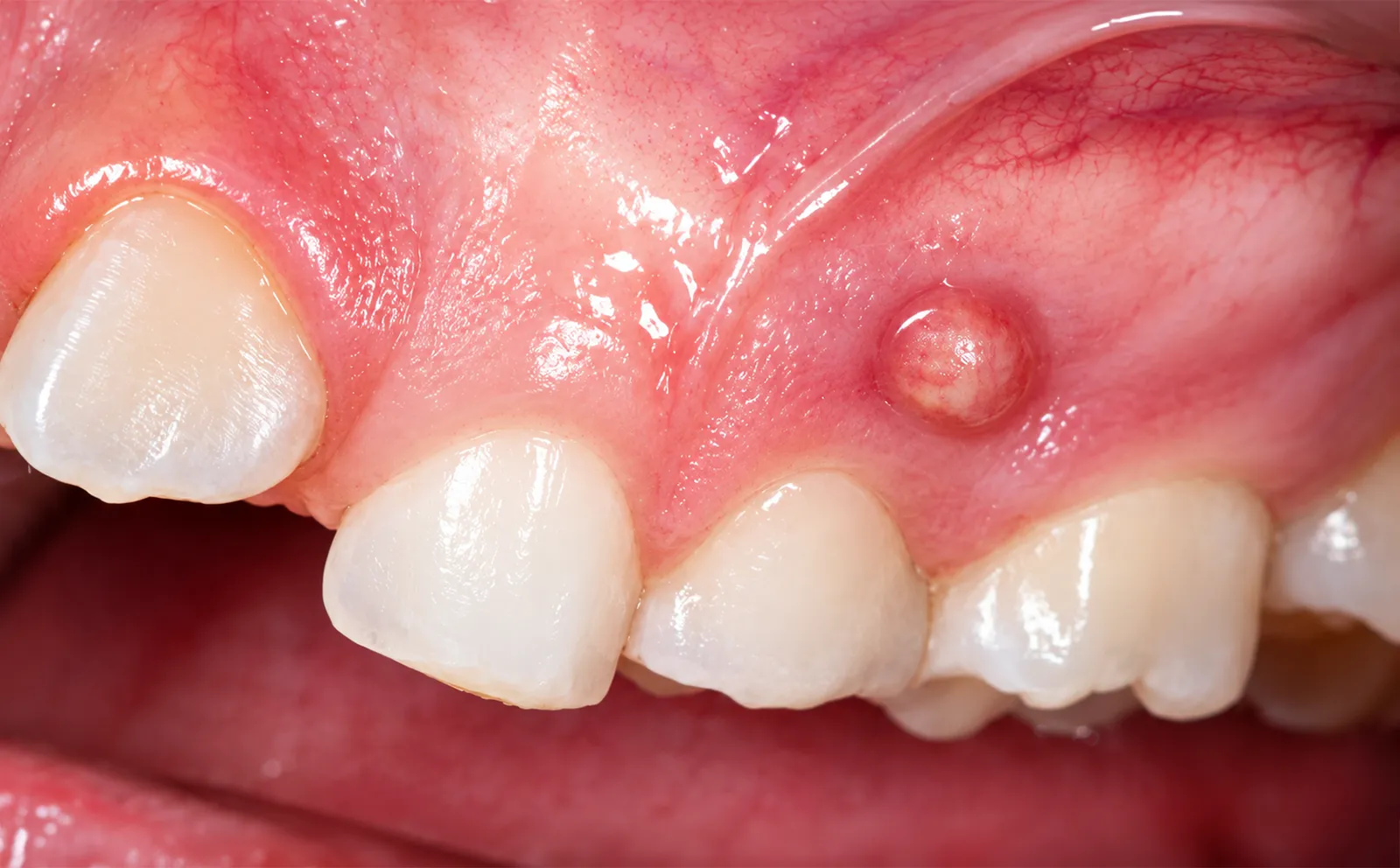
In some cases, a tooth that has already undergone root canal treatment may continue to show inflammation, infection, or discomfort around the root.
When treating the tooth again through the root canal system is not possible, is not the most appropriate option, or has not resolved the problem, endodontic surgery may be considered.
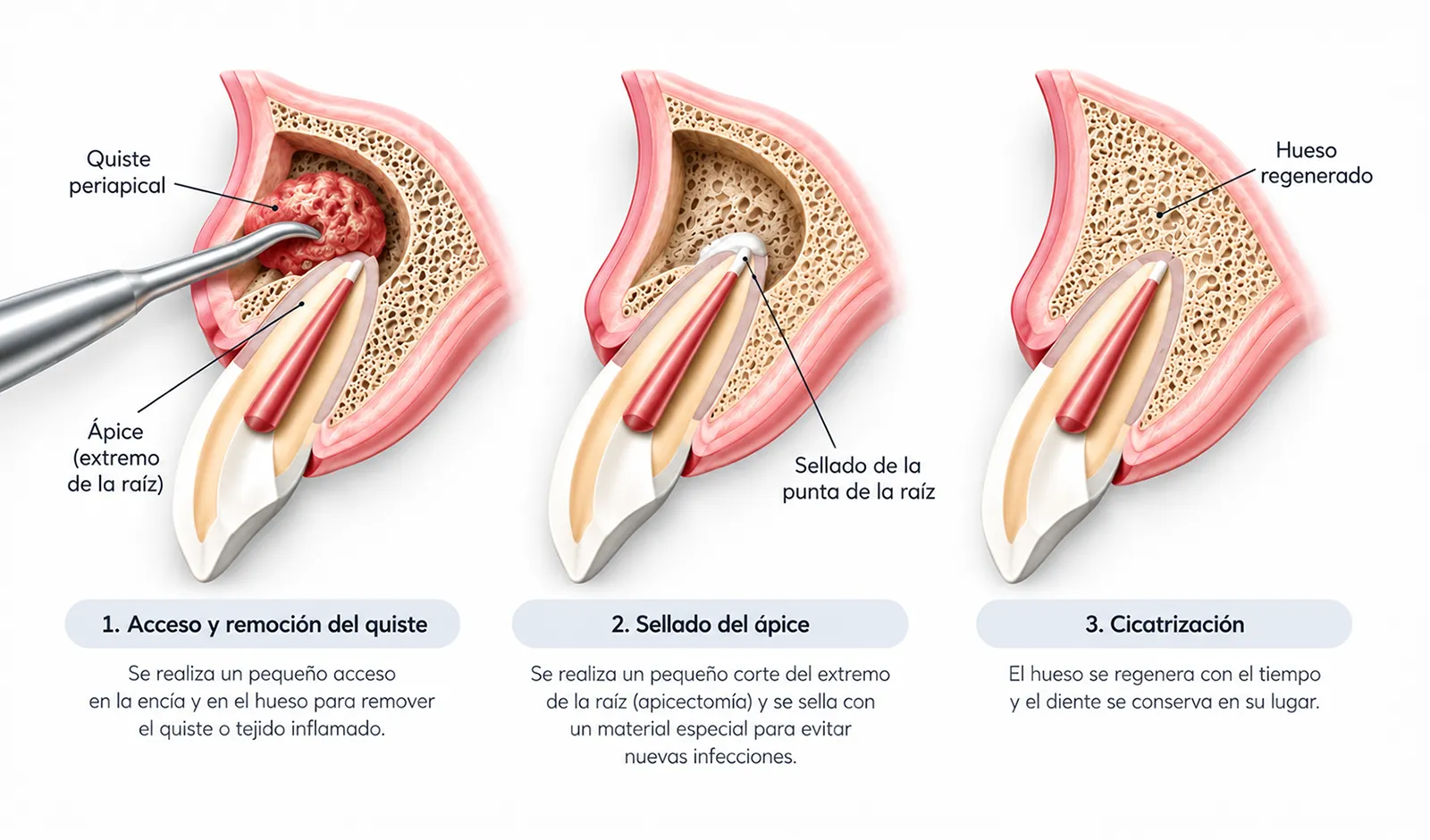
One of the best-known endodontic surgical procedures is an apicoectomy.This procedure provides direct access to the affected area near the tip of the root and, in selected cases, may help preserve the natural tooth and avoid extraction.
Endodontic surgery is performed to treat a problem involving the root of a tooth when conventional treatment through the inside of the tooth is not sufficient or is not the most appropriate approach.
Unlike root canal treatment or retreatment, which primarily works through the inside of the tooth, endodontic surgery provides direct access to the affected tissues around the root. The goal is to address the source of the problem and, when conditions are favorable, attempt to preserve the tooth.
An apicoectomy is one of the most common procedures within endodontic surgery. In simple terms, the area near the end of the root is accessed, affected tissue and a small portion of the root tip are removed, and the area is carefully cleaned and sealed.
Before an apicoectomy is recommended, an evaluation is needed to confirm that surgery is actually indicated and that preserving the tooth is a reasonable treatment goal.