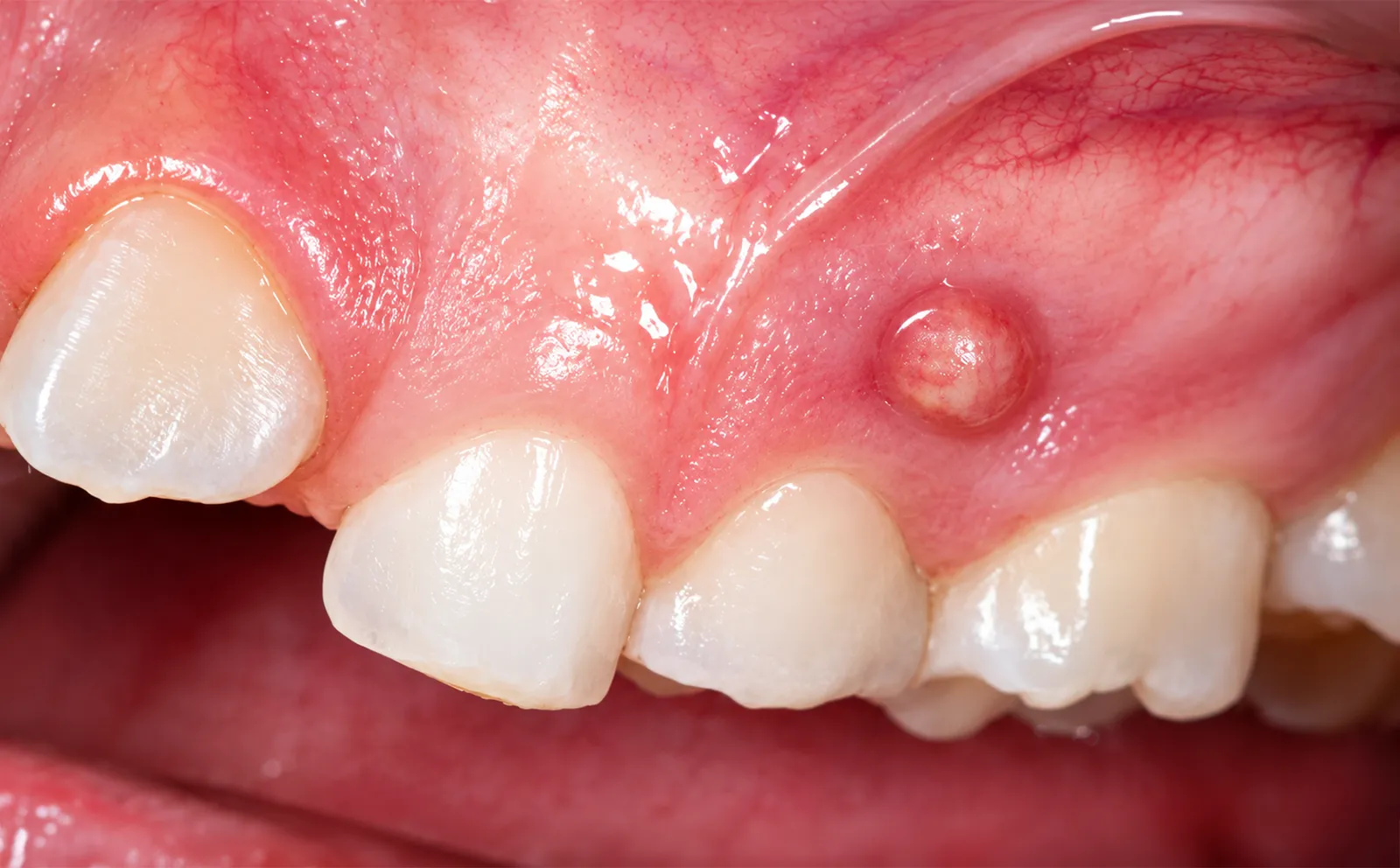
Endodontic Surgery and Apicoectomy in Bogotá

An Option to Help Preserve a Tooth When Conventional Root Canal Treatment Is Not Enough

In some cases, a tooth that has already undergone root canal treatment may continue to show inflammation, infection, or discomfort around the root.

When treating the tooth again through the root canal system is not possible, is not the most appropriate option, or has not resolved the problem, endodontic surgery may be considered.

One of the best-known endodontic surgical procedures is an apicoectomy.This procedure provides direct access to the affected area near the tip of the root and, in selected cases, may help preserve the natural tooth and avoid extraction.

Dr. Melody Cohen evaluates each case individually to determine whether endodontic surgery is appropriate.

What Is Endodontic Surgery?

Endodontic surgery is performed to treat a problem involving the root of a tooth when conventional treatment through the inside of the tooth is not sufficient or is not the most appropriate approach.

Unlike root canal treatment or retreatment, which primarily works through the inside of the tooth, endodontic surgery provides direct access to the affected tissues around the root. The goal is to address the source of the problem and, when conditions are favorable, attempt to preserve the tooth.

What Is an Apicoectomy?

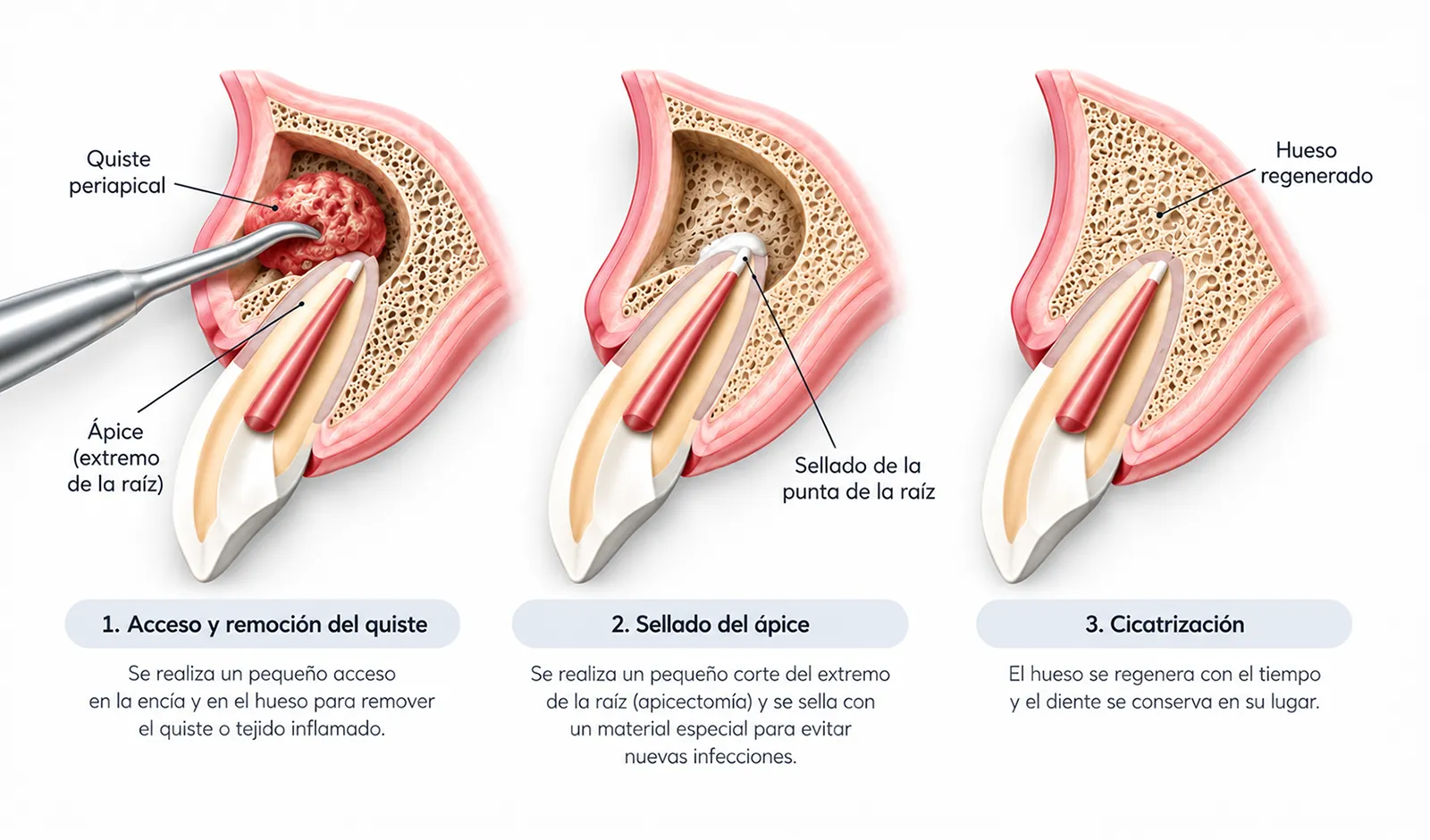
An apicoectomy is one of the most common procedures within endodontic surgery. In simple terms, the area near the end of the root is accessed, affected tissue and a small portion of the root tip are removed, and the area is carefully cleaned and sealed.

Before an apicoectomy is recommended, an evaluation is needed to confirm that surgery is actually indicated and that preserving the tooth is a reasonable treatment goal.
When Do I Need an Apicoectomy?

Not every tooth that remains symptomatic after root canal treatment needs surgery. An apicoectomy may be considered when a problem persists around the root and treating the tooth again from the inside is not possible or would not be the most appropriate option.

It may be evaluated when:

  • A lesion or infection persists around the root.
  • A previously treated tooth continues to cause symptoms.
  • Root canal retreatment is not possible or is particularly complex.
  • Direct access to the root tip is required.
  • A previous treatment has not completely resolved the problem.


Before surgery is recommended, the tooth and the necessary diagnostic images should be carefully reviewed.

Why Might I Need Surgery After a Root Canal?

Most root canal-treated teeth do not require surgery afterward. However, in some situations a problem around the root can persist despite previous treatment.

The first step is to determine why the problem remains. Depending on the findings, treatment options may include root canal retreatment, endodontic surgery, or another approach. Surgery is not automatically the next step when a root canal-treated tooth has a problem; the cause and alternatives should be evaluated first.

What Is Endodontic Microsurgery?

Endodontic microsurgery combines surgical techniques with magnification and specialized instruments that allow the endodontist to work with enhanced visualization and precision in a very small area.

A dental operating microscope provides magnification and illumination and can help the specialist see details around the root that may be difficult to identify with the naked eye. This is particularly useful because the structures involved are very small and delicate.

Technology complements, rather than replaces, the endodontist’s experience and clinical judgment.

How Is an Apicoectomy Performed?

Before the procedure, the tooth and diagnostic images are reviewed to assess the area and plan treatment. The surgery is performed with local anesthesia.

The area near the root tip is carefully accessed. Affected tissue and a small portion of the end of the root are removed. The area is then cleaned, and a root-end filling or seal is placed as indicated to help prevent bacterial re-entry.

Finally, the surgical site is closed and postoperative instructions are provided.

Can Endodontic Surgery Save the Tooth?

One of the main goals of endodontic surgery is to attempt to preserve a tooth that still has favorable conditions to remain functional. However, no procedure can guarantee that every tooth can be saved.

Before recommending an apicoectomy, factors such as the condition of the root, the amount of remaining tooth structure, the existing restoration, surrounding bone and tissues, and the possibility of cracks or fractures are evaluated.

This information helps determine whether surgery is a reasonable option for attempting to preserve the tooth.

Does Endodontic Surgery Hurt?

It is understandable to feel concerned when you hear the word “surgery.” The procedure is performed with local anesthesia so the area remains numb during treatment.

Temporary swelling or discomfort may occur afterward. Its intensity and duration vary depending on the procedure and the individual patient. Before treatment, we will explain what to expect and how to care for the area during recovery.

Is an Apicoectomy Better Than Extracting the Tooth?

There is no single answer that applies to every patient. If the tooth has appropriate conditions for preservation, endodontic surgery may be considered before extraction. In other situations, the prognosis of the tooth may make other alternatives more appropriate.

A careful diagnosis and discussion of the available options are therefore important before making a decision.

How Much Does
Endodontic Surgery Cost in Bogotá?

The cost of endodontic surgery or an apicoectomy in Bogotá varies according to the characteristics and complexity of the case. Factors may include the tooth involved, its location, the condition of the root, previous treatment, and the diagnostic studies required.

An evaluation is recommended before an exact fee is provided. After reviewing your case, we can explain the recommended procedure, available alternatives, and associated cost before treatment.

Frequently Asked Questions About Endodontic Surgery

Is an apicoectomy the same as a root canal?

No. Root canal treatment primarily treats the tooth from the inside. During an apicoectomy, the area near the root tip is accessed directly to treat a problem in that region.

No. Depending on the cause, root canal retreatment or another procedure may be possible. Surgery is one option for selected cases.

Yes. Endodontic surgery is often considered for selected previously treated teeth when a problem persists around the root.

The duration depends on the tooth, its location, and the complexity of the procedure. After evaluating the case, we can provide a more specific estimate.

Recovery varies from person to person and according to the procedure performed. Temporary discomfort or swelling may occur during the first few days. You will receive specific postoperative instructions.

Symptoms alone are not enough to determine this. The tooth, previous treatment, and diagnostic images must be evaluated to establish whether surgery is actually indicated.

Advanced endodontics to preserve your teeth

Contacto

All rights reserved  © 2026