Did they tell you that
your tooth can't be saved?

Before removing it, find out if there's another option.

Did someone recommend that you have a tooth extracted?

Before making a final decision, consider getting a second endodontic opinion.

Extraction may be necessary under certain circumstances. However, there may be alternatives to extraction for some teeth considered difficult to treat.

A specialized evaluation allows for a review of the diagnosis, an assessment of the prognosis, and an explanation of the available options, including their benefits and limitations.

Preserving your natural tooth, whenever possible, is our priority.

Microscopic Root Canal Treatment in Complex Cases

The microscope can be used in various treatments, but it becomes particularly important when there are additional challenges.

  • For example:
  • Root canals that are difficult to locate.
  • Complex internal anatomy.
  • Teeth that have already undergone root canal treatment.
  • Endodontic retreatment.
  • Presence of materials from previous treatments.
  • Evaluation of specific problems inside the tooth.
  • Endodontic surgery or microsurgery.


Every case is different, and the specialist determines how to use this technology based on the patient’s needs.

What is a complex root canal case?

A complex endodontic case is one in which the diagnosis or treatment presents additional challenges that require specialized knowledge, precision, and careful planning.

These situations can arise even in teeth that have already undergone root canal treatment.

The goal is to identify the cause of the problem, assess the prognosis, and determine whether there is a treatment option that will allow the tooth to be preserved.
What complex cases do we treat?

1. Previous root canal treatments that were unsuccessful

Sometimes, a previously treated tooth may have a persistent infection or develop new problems.

2. Calcified, narrow, or curved root canals

Some teeth have root canals that are very narrow, calcified, or have pronounced curves, making them difficult to locate and treat.

These cases require careful planning and specialized techniques to access the root canal system while preserving as much of the tooth structure as possible.

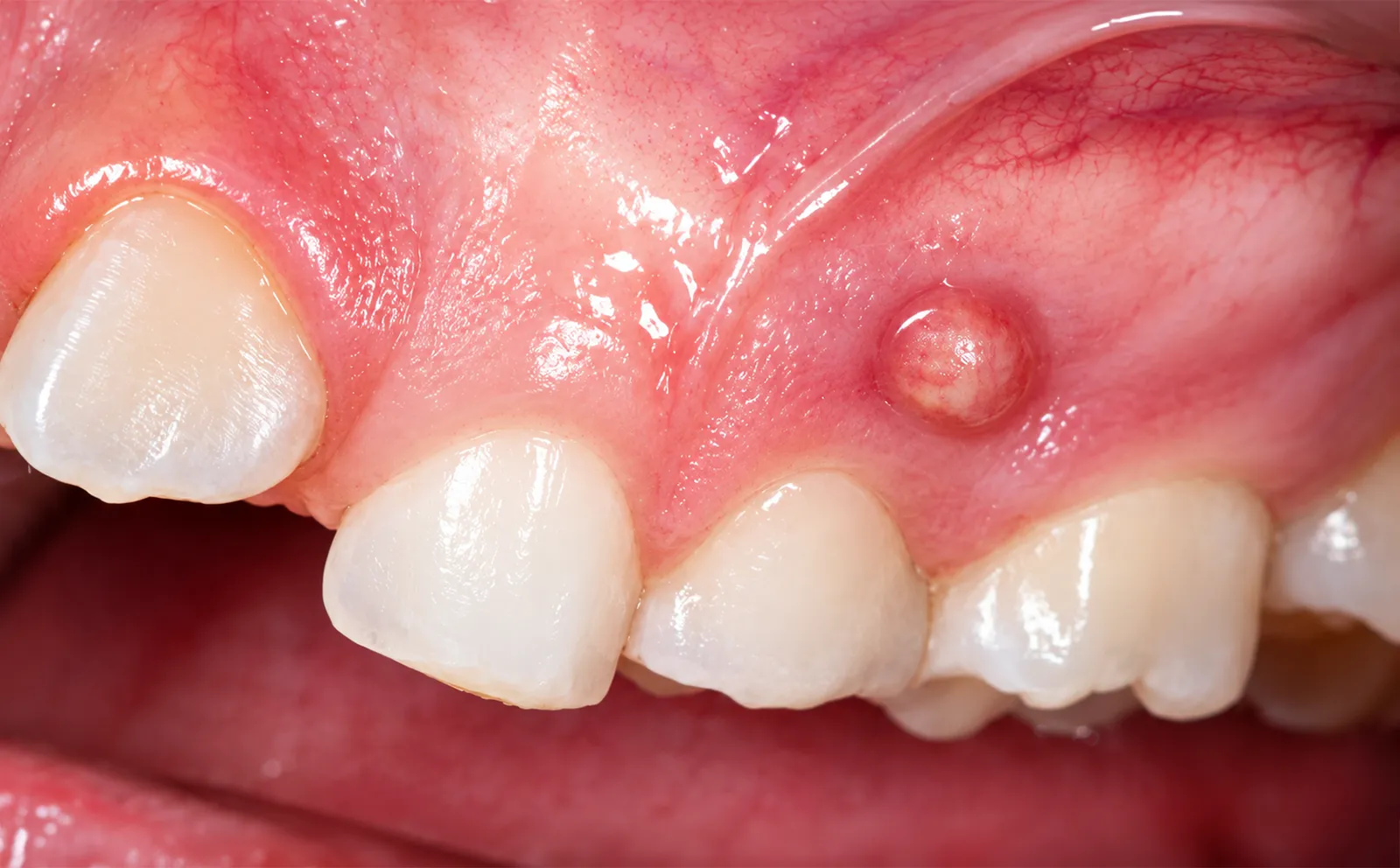
3. Persistent dental infections and periapical lesions

An infection in the root may persist even after root canal treatment.

Through a detailed diagnosis, we assess the cause of the infection and the treatment options to promote the healing of the tissues surrounding the root.

4. Fractured Instruments Inside the Root Canal

During root canal treatment, an instrument may occasionally fracture inside the root.

Depending on its location, the tooth’s anatomy, and the clinical conditions, the possibility of removing it, working around it, or using another treatment strategy is evaluated.

5. Root Perforations

Perforations are unintended openings between the root canal system and the tissues surrounding the tooth.

In certain cases, they can be repaired using specialized techniques and biocompatible materials.

6. Cracked Teeth or Teeth Suspected of Having a Fracture

Pain when chewing, persistent sensitivity, or discomfort that is difficult to pinpoint may be related to a dental crack.

Not all cracks require extraction. Their depth, extent, and location determine the likelihood of preserving the tooth.

7. Teeth with a Poor Prognosis

When a tooth exhibits structural loss, recurrent infections, or a history of complex treatments, it is important to evaluate all options before deciding on extraction.

Our goal is to determine whether there is still a reasonable chance of preserving the tooth’s health and function.

Specialized Endodontics: Precision in Every Decision

In complex cases, diagnosis is just as important as treatment.

A detailed evaluation allows us to identify problems that might otherwise go unnoticed and select the most appropriate procedure.

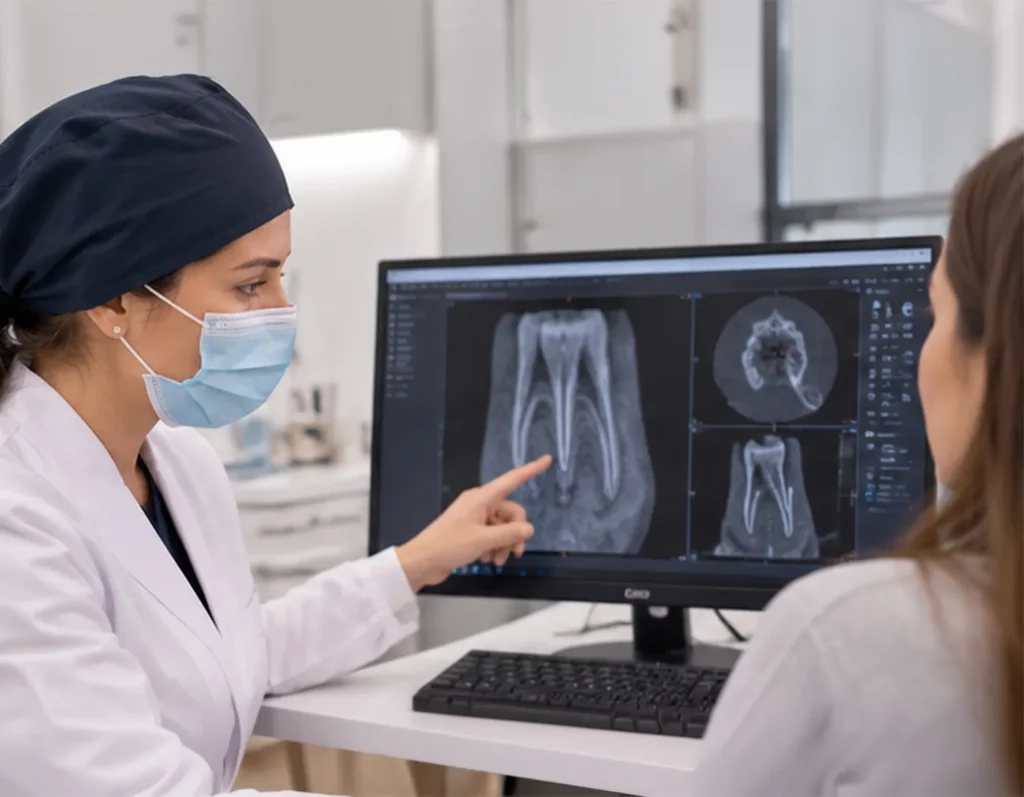
Depending on each patient’s needs, the evaluation may include radiographic studies, clinical tests, and magnification techniques.

When indicated and available, the use of an operating microscope and cone-beam computed tomography (CBCT) can provide valuable information for diagnosis and treatment planning.

It’s not simply a matter of performing a root canal. It’s about understanding why a tooth is failing and what options exist to save it.

How do we approach a complex case?

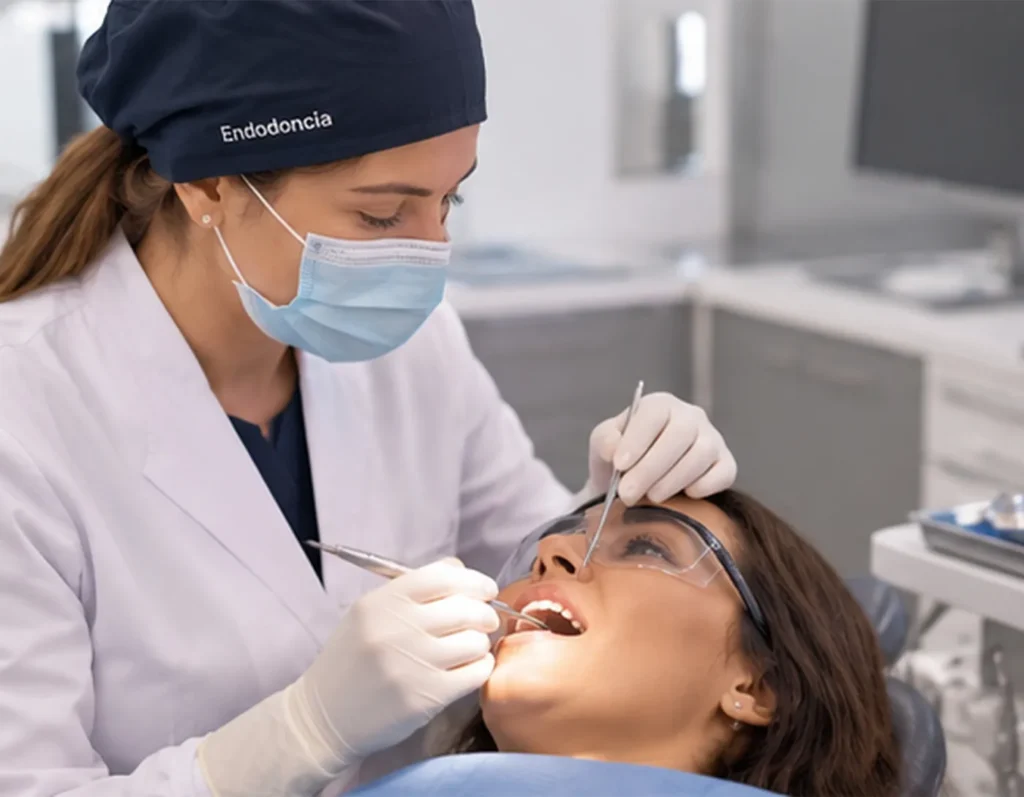
We listen to your symptoms, review the tooth's history, and perform the necessary tests to understand the problem.

We examine treatment options, the prognosis, and the factors that may influence the outcome.

We'll explain the available options and work with you to choose the most appropriate procedure.

When a tooth is a candidate for treatment, we aim to control the infection, preserve the tooth's structure, and provide the necessary follow-up to monitor its progress.

Your tooth deserves an evaluation before you make a final decision

A difficult diagnosis doesn't always mean you have to lose your tooth

At Dr. Melody Cohen’s practice, we treat complex endodontic cases with a focus on tooth preservation, diagnostic precision, and personalized care.

Because before replacing a tooth, it’s worth exploring whether we can still save it.

Each case requires an individual evaluation. No treatment guarantees that the tooth can be saved.

Frequently Asked Questions About Complex Root Canal Cases

In some cases, yes. It depends on the amount of remaining tooth structure, the presence of fractures, the condition of the tissues, and the actual treatment options available. A specialized evaluation can determine this.

In many cases, yes. The possibility of treating it depends on the degree of calcification, the anatomy of the root, and the risk of compromising the tooth's structure.

In certain situations, it is possible to remove a fractured instrument. However, doing so is not always necessary or advisable. The decision depends on the instrument’s location and the risks associated with the procedure.

It is necessary to identify the cause. Some infections can be resolved through retreatment or endodontic surgery, while other conditions may require a different approach.

When a natural tooth can be preserved with a favorable prognosis, keeping it is often a valuable option. However, the decision should take into account the condition of the tooth, the alternatives, and individual needs.

The cost depends on the complexity of the case, the diagnosis, the type of procedure, and the clinical resources required. After the evaluation, a personalized estimate can be provided.

Patients living outside Colombia may request information to schedule an evaluation. Whenever possible, medical history and imaging studies can be reviewed in advance to guide the planning process. A definitive diagnosis requires a clinical evaluation.

Advanced endodontics to preserve your teeth

Contact

All rights reserved  © 2026